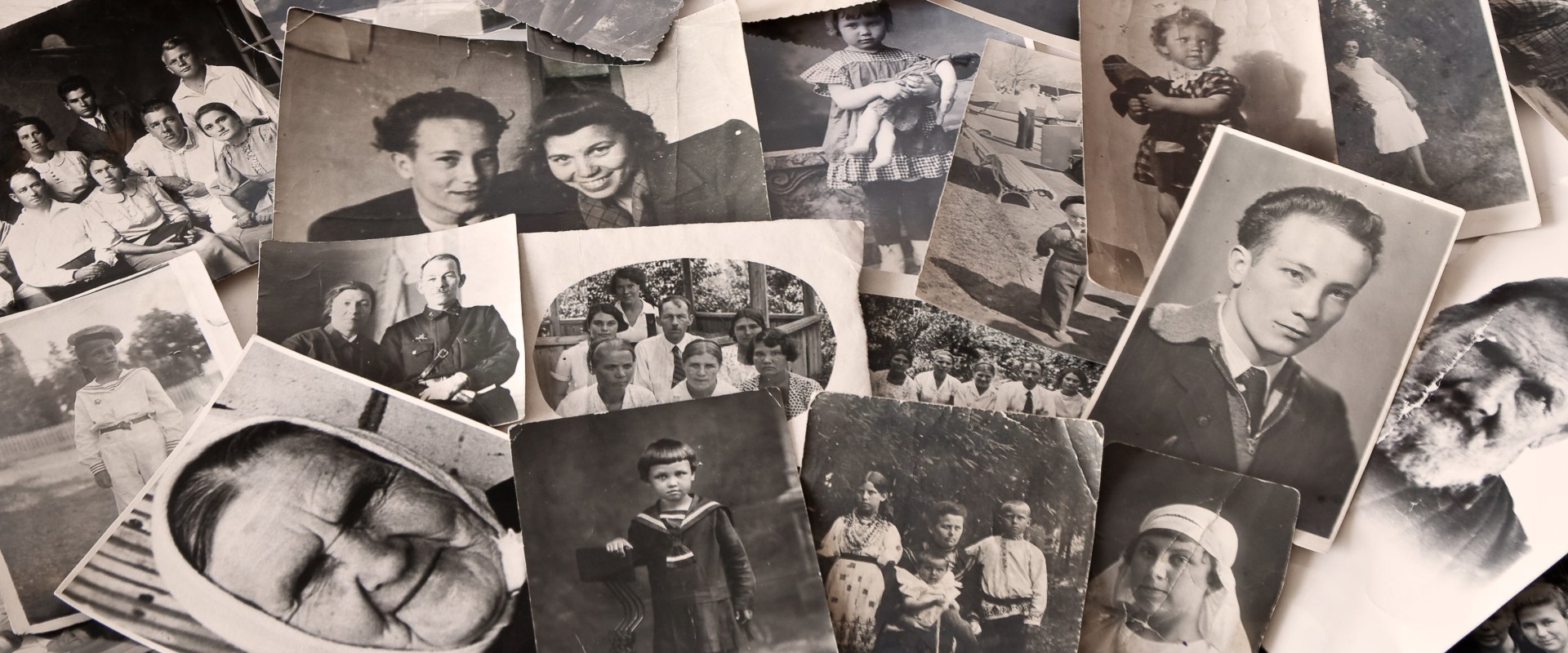
Genealogy is more than just a hobby; it is a profound journey into the past that allows individuals to connect with their roots and understand their family history. This fascinating field of study involves tracing lineage and discovering the stories of ancestors who have shaped our identities. As we delve into our family history , we uncover not only names and dates but also the rich tapestry of experiences, cultures, and traditions that have been passed down through generations.In an age where information is at our fingertips, the significance of genealogy databases cannot be overstated. These digital repositories serve as invaluable tools for anyone embarking on the quest to uncover their ancestry.
They provide access to a wealth of records, including birth certificates, marriage licenses, census data, and military documents, all of which can help piece together the puzzle of our familial connections. With the right resources, even those new to genealogy can navigate their way through complex family trees and uncover hidden branches.Moreover, genealogy research fosters a sense of belonging and identity. Understanding where we come from can illuminate our present and guide our future. It can also strengthen family bonds as relatives come together to share stories and collaborate on research efforts.
As we explore the various genealogy databases available today, we will discover how these platforms not only simplify the research process but also enhance our understanding of our heritage.Whether you are a seasoned genealogist or just beginning your journey, the world of family history awaits you. The following sections will delve deeper into the best databases for genealogy research, equipping you with the knowledge needed to unlock your family's past.
Understanding Genealogy: What You Need to Know
Genealogy is the study of family history and lineage, a fascinating journey that allows individuals to trace their ancestry and understand their roots. At its core, genealogy involves the collection and analysis of various records to construct a family tree, which visually represents familial relationships across generations.To embark on your genealogy journey, it is essential to grasp some key concepts. Firstly, understanding the difference between primary and secondary sources is crucial.Primary sources are original documents created at the time of an event, such as birth certificates, marriage licenses, and census records. In contrast, secondary sources interpret or analyse primary data, like family histories or genealogical compilations.Another important aspect of genealogy is the concept of lineage. This refers to the direct descent from an ancestor, often traced through surnames. Many genealogists focus on their direct ancestors—parents, grandparents, and so forth—while others may explore collateral lines, which include siblings and their descendants.The significance of genealogy extends beyond mere curiosity; it can foster a sense of identity and belonging.
Understanding where you come from can provide insights into cultural heritage and familial traditions. Additionally, genealogy can reveal health-related information that may be pertinent for future generations.When starting your family tree research, consider these steps:
- Begin with what you know: Document your immediate family details—names, dates of birth, marriage information—and work backwards.
- Gather family stories: Speak with relatives to collect anecdotes and information that may not be documented elsewhere.
- Utilise online databases: Leverage resources like FamilySearch or Ancestry to access historical records that can fill in gaps in your knowledge.
- Organise your findings: Use software or online tools to keep track of your research and build your family tree efficiently.
The Best Genealogy Databases: An Overview
When embarking on your journey to uncover your family history, having access to the right genealogy databases is crucial. Below is a curated list of some of the best online resources that can significantly aid your research.- FamilySearch : This free platform, operated by The Church of Jesus Christ of Latter-day Saints, offers an extensive collection of records from around the world.
With over 1.5 billion records, FamilySearch provides access to census data, birth and death certificates, and military records. Its user-friendly interface allows you to build your family tree and connect with other researchers.
- Ancestry : Known for its vast database, Ancestry is a subscription-based service that boasts billions of historical records, including immigration and naturalisation documents, military records, and family trees submitted by users. Ancestry also offers DNA testing services that can help you discover genetic connections to distant relatives.
- MyHeritage : This platform combines genealogy research with DNA testing. MyHeritage provides access to a wide range of historical records and has a unique feature that allows users to create family trees and share them with others.
Its Smart Matching technology connects you with potential relatives based on shared ancestors.
- Findmypast : Particularly strong in UK records, Findmypast offers access to census data, parish records, and military documents. It is an excellent resource for those researching British ancestry and includes unique collections such as the 1939 Register and various newspaper archives.
- GenealogyBank : This database focuses on historical newspapers and obituaries, making it an invaluable resource for finding information about your ancestors' lives. With millions of pages from newspapers dating back to the 1600s, GenealogyBank can help you uncover stories that may not be found in traditional records.
- Archives.com : A subscription service that provides access to a variety of records including census data, birth and death certificates, and military records. Archives.com is particularly user-friendly for beginners looking to start their genealogy journey.
Whether you are just starting or are well into your family history exploration, these resources will provide valuable insights into your ancestry.
Free vs. Paid Genealogy Databases: Which Should You Choose?
When embarking on your genealogy journey, one of the first decisions you'll face is whether to utilise free genealogy databases or invest in paid genealogy services. Each option has its own set of advantages and disadvantages, and understanding these can significantly impact your research experience.Free Genealogy Databases
Free genealogy databases are an excellent starting point for anyone interested in tracing their family history without financial commitment. Here are some key benefits:- No Cost: As the name suggests, these databases do not require any subscription fees, making them accessible to everyone.
- Diverse Resources: Many free sites offer a wide range of records, including census data, military records, and family trees submitted by other users.
- Community Support: Free platforms often have active user communities that can provide assistance and share tips for effective research.
- Limited Access: Some records may be incomplete or not available at all, which can hinder your research.
- Inaccuracies: User-submitted data can sometimes be unreliable, necessitating further verification from original sources.
- Lack of Advanced Features: Free databases may not offer the sophisticated search tools or user-friendly interfaces found in paid services.
Paid Genealogy Services
On the other hand, paid genealogy services often provide a more comprehensive research experience.Here are some advantages:
- Extensive Records: Paid databases typically have access to a broader range of records, including exclusive collections that are not available elsewhere.
- Advanced Search Tools: These platforms often feature powerful search algorithms that can help you find information more efficiently.
- User Support: Many paid services offer customer support and resources such as tutorials and webinars to assist users in their research.
- Subscription Costs: Monthly or annual fees can add up, especially if you subscribe to multiple services.
- Commitment Required: Some platforms may require long-term subscriptions to access certain features or records.
- Pace of Updates: Depending on the service, updates to their databases may not be as frequent as one would hope, potentially limiting access to the latest records.
Specialized Genealogy Resources: Beyond the Basics
When delving into genealogy, many researchers often start with broad databases that cover a wide range of records.However, to truly unlock the intricacies of your family history, it is essential to explore specialized genealogy resources that cater to specific ethnicities or regions. These databases can provide unique insights and records that general platforms may overlook.
Ethnic Genealogy Resources
- JewishGen: This invaluable resource offers a wealth of information for those tracing Jewish ancestry. It includes databases of Jewish surnames, community records, and Holocaust-related documents, making it a vital tool for understanding Jewish heritage.
- Afro-American Historical and Genealogical Society (AAHGS): AAHGS focuses on African American genealogy, providing access to resources that document the history and lineage of African Americans. Their collections include slave narratives, military records, and more.
- Native American Genealogy: Various tribes maintain their own databases and resources for genealogical research.
Websites like the National Archives offer specific records related to Native American ancestry, including treaties and census data.
Regional Genealogy Sites
In addition to ethnic-specific resources, regional genealogy sites can be incredibly beneficial for uncovering local histories and records. These databases often contain unique materials that reflect the cultural heritage of specific areas.
- New England Historic Genealogical Society (NEHGS): This site is a treasure trove for those with roots in New England. It provides access to a vast collection of records, including vital records, cemetery inscriptions, and family histories.
- California Genealogy: For those with ancestors from California, this site offers a range of resources including land records, military service records, and local histories that are crucial for understanding the state's diverse heritage.
- Scotland's People: This official government site provides access to Scotland's historical records, including birth, marriage, and death certificates. It is an essential resource for anyone tracing their Scottish ancestry.
Whether you are exploring ethnic backgrounds or regional ties, these databases can significantly enhance your genealogical journey.
Common Challenges in Genealogy Research and How to Overcome Them
Genealogy research can be a rewarding yet challenging endeavour. Many enthusiasts encounter various obstacles that can hinder their progress in uncovering their family history. Understanding these common challenges and knowing how to navigate them is crucial for successful genealogical research.Inaccurate Records
One of the most prevalent issues faced by genealogists is the presence of inaccurate records. Historical documents may contain errors due to transcription mistakes, misinterpretations, or even intentional alterations.
For instance, names may be misspelled, dates may be incorrect, and relationships may be misrepresented.To overcome this challenge, it is essential to cross-reference multiple sources. Always seek out original documents when possible, such as birth certificates, marriage licenses, and census records. Additionally, consider using genealogy software that allows you to track discrepancies and note your sources for future reference.
Missing Information
Another common hurdle is the absence of vital information. Records may be lost due to natural disasters, poor record-keeping practices, or simply because they were never created.
This can leave significant gaps in your family tree.To address missing information, try reaching out to local historical societies or archives that may hold additional records. Engaging with online genealogy forums can also provide leads; fellow researchers might have access to resources you haven't yet discovered. Furthermore, consider expanding your search geographically; ancestors may have moved or lived in different areas than you initially assumed.
Common Mistakes in Genealogy
Genealogists often make mistakes that can derail their research efforts. One frequent error is relying too heavily on a single source without verifying its accuracy.
Another mistake is assuming relationships without sufficient evidence; for example, just because two individuals share a surname does not mean they are related.To avoid these pitfalls, maintain a critical eye on all information you gather. Document your findings meticulously and always seek corroborating evidence before drawing conclusions. It’s also beneficial to take breaks during your research; stepping away can provide clarity and help you spot errors you might have missed.In conclusion, while genealogy research presents its fair share of challenges, being aware of these obstacles and employing strategic approaches can significantly enhance your chances of success. By remaining diligent and resourceful, you can unlock the mysteries of your family history with confidence.
Case Studies: Success Stories in Genealogy Research
Genealogy research can often feel like a daunting task, but the success stories of individuals who have traced their family histories serve as a powerful reminder of the potential rewards.Here are a few inspiring case studies that highlight how various databases have facilitated remarkable discoveries.
Case Study 1: The Lost Ancestor
Jane, a resident of London, embarked on her genealogy journey after inheriting an old family photo album. Intrigued by the faces in the photographs, she turned to Ancestry.com to begin her search. Within weeks, she uncovered records that revealed her great-grandfather had emigrated from Ireland during the Great Famine. By accessing census data and immigration records, Jane was able to piece together her family’s migration story, ultimately leading her to visit the village in Ireland where her ancestors once lived.Case Study 2: The Family Reunion
Mark, an amateur genealogist from Manchester, used FamilySearch to explore his family tree.His research led him to discover that he had relatives living in Australia whom he had never met. By connecting with these distant cousins through social media and sharing their findings, Mark organised a family reunion that brought together over fifty relatives from around the world. This experience not only enriched his understanding of his heritage but also forged new familial bonds.
Case Study 3: Uncovering Hidden Histories
Susan, a history teacher in Edinburgh, was motivated to delve into her ancestry after learning about her grandmother's mysterious past. Using Findmypast, she accessed military records and newspaper archives that revealed her grandmother had served as a nurse during World War II.This discovery not only filled in gaps in Susan's family history but also inspired her to create a school project highlighting the contributions of women in wartime.These case studies illustrate that with determination and the right resources, anyone can unlock their family history. Whether it’s through connecting with long-lost relatives or uncovering fascinating stories from the past, genealogy research can lead to profound personal discoveries and connections.
Future Trends in Genealogy Research: What Lies Ahead?
The landscape of genealogy research is evolving rapidly, driven by technological advancements and changing societal attitudes towards family history. As we look to the future, several key trends are emerging that promise to enhance the way we uncover our ancestral roots.1.Integration of Artificial Intelligence
One of the most significant trends in genealogy research is the integration of artificial intelligence (AI). AI algorithms are being developed to analyse vast amounts of genealogical data, making it easier for researchers to identify patterns and connections that may not be immediately apparent.
For instance, AI can assist in matching names across different records, even when there are variations in spelling or formatting. This capability not only speeds up the research process but also increases accuracy, helping genealogists build more comprehensive family trees.
2.Enhanced DNA Testing
The popularity of DNA testing has surged in recent years, and this trend is set to continue. As more individuals opt for genetic testing, databases will expand, providing richer resources for genealogical research. Future advancements may include more detailed ancestry reports that can pinpoint geographical origins with greater precision.
Additionally, as ethical considerations around genetic data evolve, we may see improved privacy measures that encourage more people to participate in DNA testing without fear of misuse.
3.Virtual Reality and Augmented Reality
Imagine walking through a virtual representation of your ancestral home or exploring a historical site where your ancestors lived. The incorporation of virtual reality (VR) and augmented reality (AR) into genealogy research could transform how we experience our family histories. These technologies can create immersive experiences that allow users to engage with their heritage in a way that traditional methods cannot match.
4.Crowdsourcing and Community Collaboration
The future of genealogy will likely see an increase in crowdsourced projects where individuals contribute their findings to larger databases. This collaborative approach not only enriches the available data but also fosters a sense of community among researchers.
Platforms that facilitate sharing information and resources will become invaluable as they allow users to connect with others who share similar interests or ancestral lines.
5.Mobile Applications
As smartphones become ubiquitous, mobile applications dedicated to genealogy research are on the rise. These apps provide users with the ability to conduct research on-the-go, access records, and even collaborate with others in real-time. Future developments may include features such as voice recognition for easier data entry and integration with social media platforms for sharing discoveries.In conclusion, the future of genealogy research is bright, characterised by technological innovations that will enhance accessibility and improve methodologies. As these trends continue to unfold, they will undoubtedly make it easier for individuals to unlock their family histories and connect with their pasts in meaningful ways.
Conclusion: Your Journey into Family History Awaits
As we conclude our exploration of the vast world of genealogy, it is essential to reflect on the incredible resources available to you.The journey into your family history is not merely a quest for names and dates; it is an opportunity to connect with your past, understand your heritage, and appreciate the lives of those who came before you.Throughout this article, we have highlighted various databases and tools that can significantly aid your research. From comprehensive platforms like FamilySearch and Ancestry to specialised resources such as the National Archives and the Daughters of the American Revolution, each offers unique insights and records that can help you piece together your family story.Moreover, we discussed the importance of verifying information through original sources. While many databases provide valuable data, they may also contain inaccuracies. Therefore, it is crucial to approach your research with a critical eye, cross-referencing findings with primary documents whenever possible.As you embark on your genealogical journey, consider the following steps:
- Start with what you know: Document your immediate family details before branching out.
- Utilise online databases: Explore the various platforms mentioned to gather information.
- Connect with others: Join genealogy forums or local societies to share insights and tips.
- Visit local archives: Take advantage of physical records that may not be digitised.
- Document your findings: Keep meticulous records of your research to avoid confusion later.
By engaging in genealogy, you not only honour your ancestors but also enrich your understanding of who you are today. So take that first step—dive into the databases, explore the records, and let the journey unfold. Your family's legacy awaits discovery!.