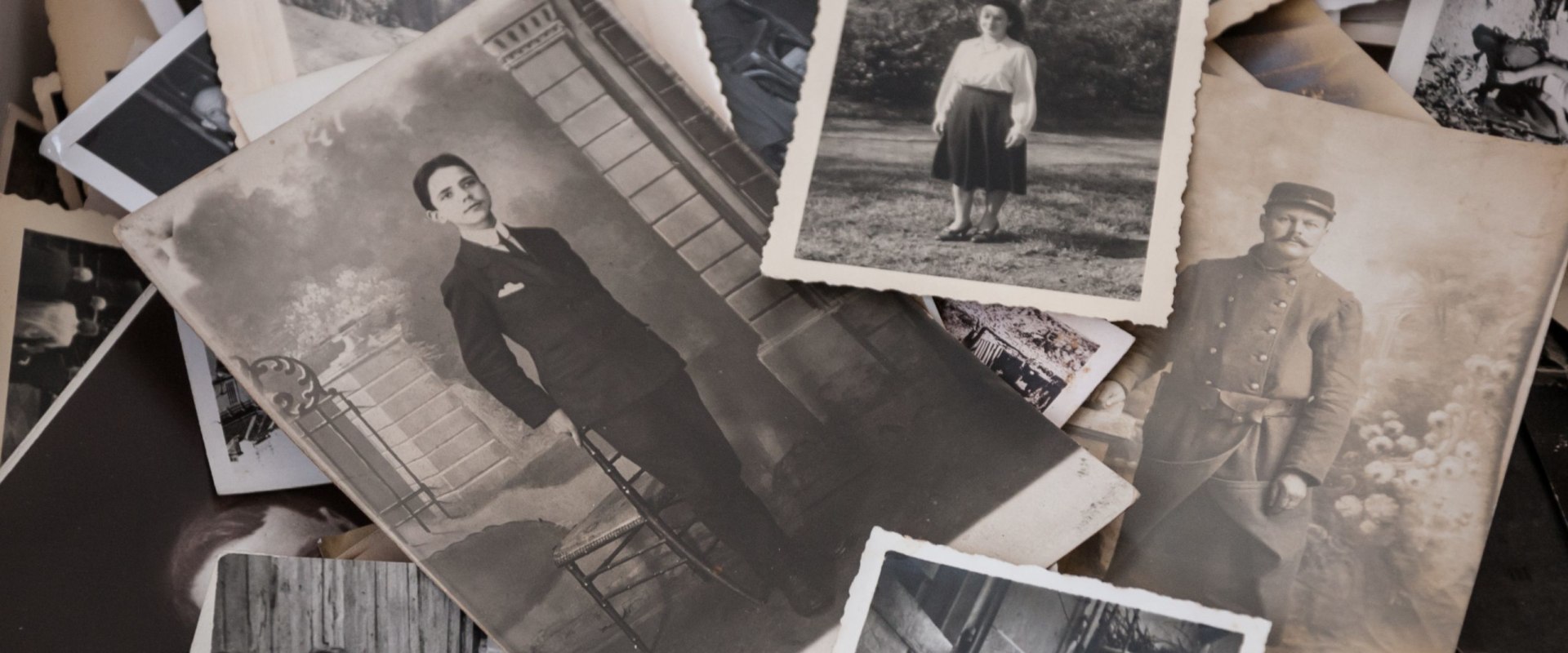
Sharing your genealogy research is not merely an act of generosity; it is a vital component of the genealogical journey that can significantly enhance both personal connections and the collective understanding of family histories. When you share your findings, you open the door to collaboration, allowing others to contribute their knowledge and insights. This collaborative spirit can lead to the discovery of new branches in your family tree, as well as the unearthing of stories and documents that may have otherwise remained hidden. The importance of sharing genealogy lies in its ability to create a rich tapestry of interconnected lives, where each thread represents a unique story waiting to be told.Moreover, sharing your genealogy research fosters a sense of community among fellow enthusiasts.
By making your data accessible, you not only help others who may be searching for their own roots but also invite them to engage with your work. This exchange of information can lead to fruitful discussions, shared resources, and even friendships that transcend geographical boundaries. The genealogical community thrives on collaboration; when individuals come together to share their findings, they contribute to a larger narrative that preserves history for future generations.Additionally, sharing your genealogy research can have profound personal benefits. It allows you to connect with distant relatives who may be unaware of their shared ancestry.
These connections can lead to meaningful relationships and a deeper understanding of your family's heritage. Furthermore, by documenting and sharing your research, you create a lasting legacy that can be cherished by future generations. Your efforts in preserving family histories not only honour those who came before you but also inspire others to embark on their own genealogical journeys.
Choosing the Right Platforms for Sharing Your Genealogy Data
When it comes to sharing your genealogy research, selecting the right platform is crucial for ensuring that your data reaches the intended audience effectively. Each platform has its unique advantages and disadvantages, making it essential to evaluate them based on your specific needs and goals.Online Genealogy Databases
- Pros: Online genealogy databases such as Ancestry.com, MyHeritage, and FamilySearch are excellent for reaching a broad audience.
These platforms allow users to upload their family trees, documents, and photos, making it easier for others researching similar lineages to connect with you.
- Cons: However, these databases often require a subscription for full access, which may limit the number of people who can view your research. Additionally, you may have less control over how your data is presented and shared.
Social Media Groups
- Pros: Platforms like Facebook offer dedicated groups for genealogy enthusiasts where you can share findings, ask questions, and collaborate with others. These groups foster a sense of community and can lead to valuable connections with distant relatives or fellow researchers.
- Cons: The informal nature of social media can sometimes lead to misinformation being shared. It’s important to verify any claims made within these groups before accepting them as fact.
Personal Websites
- Pros: Creating your own genealogy website provides complete control over how your research is presented.
You can customise the layout, include multimedia elements like photos and videos, and even write detailed narratives about your ancestors’ lives.
- Cons: However, maintaining a personal website requires time and technical skills. You’ll need to ensure that it is regularly updated and optimised for search engines to attract visitors.
Submitting Your Research to Online Genealogy Databases
Submitting your genealogy research to online databases is a powerful way to share your findings with a broader audience.Not only does this help preserve your family history, but it also allows others to connect with their roots and potentially collaborate on shared ancestry. Here’s a comprehensive guide on how to effectively submit your genealogy data online.
Choosing the Right Online Genealogy Database
Before you begin the submission process, it’s essential to select the right platform. Some of the most popular online genealogy databases include:
- Ancestry.com - A leading platform with extensive resources for family history research.
- FamilySearch.org - A free service provided by The Church of Jesus Christ of Latter-day Saints, offering a vast collection of records.
- MyHeritage - Known for its user-friendly interface and DNA testing services.
- Findmypast - Particularly strong in UK records, making it ideal for those researching British ancestry.
The Submission Process
Once you’ve chosen a database, follow these general steps to submit your research:
- Create an Account: Most platforms require you to register. This usually involves providing an email address and creating a password.
- Prepare Your Data: Organise your research into a clear format.
This may include family trees, documents, photographs, and any other relevant information.
- Follow Submission Guidelines: Each database has specific guidelines for submissions. Familiarise yourself with these to ensure your data meets their requirements.
- Upload Your Information: Use the platform’s tools to upload your files. This may involve filling out forms or using a dedicated upload feature for documents and images.
- Review and Confirm: Before finalising your submission, double-check all entries for accuracy. Ensure that names, dates, and locations are correct to maintain the integrity of your research.
Benefits of Online Submissions
Sharing your genealogy data online offers numerous advantages:
- Increased Visibility: Your research can be discovered by others who are searching for similar ancestors or family connections.
- Collaboration Opportunities: By making your data public, you open the door for collaboration with other researchers who may have additional information or insights.
- Preservation of Data: Online databases often have backup systems in place, ensuring that your research is preserved even if personal devices fail.
- Community Engagement: Many platforms have forums or community features where you can engage with other genealogists, share tips, and ask questions.
By following the outlined steps and understanding the benefits, you can effectively share your legacy with future generations.
Creating a Family Group on Social Media
In the digital age, social media has become an invaluable tool for genealogists looking to connect with family members and share their research. Creating a family group on platforms like Facebook can significantly enhance your genealogy efforts by fostering communication, collaboration, and engagement among relatives.Establishing Your Family Group
To start, consider creating a private Facebook group dedicated to your family. This ensures that only invited members can view and participate in discussions, making it a safe space for sharing sensitive information. When setting up the group, choose a descriptive name that reflects your family lineage or a specific branch of your genealogy research.
Engaging Family Members
Once your group is established, invite family members to join.
You can do this by sending out personal invitations or posting about the group on your personal timeline to reach a wider audience. Encourage participation by highlighting the benefits of joining, such as access to shared documents, photos, and the opportunity to collaborate on family history projects.To keep the group active and engaging, consider implementing regular themes or prompts. For example:
- Photo Fridays: Encourage members to share old family photos each week.
- Story Sundays: Invite relatives to share anecdotes or stories about their experiences related to family history.
- Research Challenges: Pose questions or challenges that encourage members to dig into their own research and share findings.
Sharing Documents and Photos
A significant advantage of using social media for genealogy is the ease of sharing documents and photos. You can upload scanned images of birth certificates, marriage licenses, or family trees directly to the group.
This not only preserves these important records but also makes them accessible to all members.Encourage members to contribute their own documents and photos as well. This collaborative approach can lead to the discovery of new information and connections that may not have been previously known. Additionally, consider creating albums within the group for different branches of the family or specific events, making it easier for members to navigate shared content.
Fostering Discussions
Engagement is key in any social media group. Foster discussions by asking open-ended questions related to genealogy research or family history.
For instance:
- What are some family traditions that have been passed down through generations?
- Has anyone discovered interesting facts about our ancestors?
- What challenges have you faced in your own genealogy research?
Building Your Own Genealogy Website
Creating your own genealogy website can be a rewarding way to share your family history with others while also preserving your research for future generations. Here’s a comprehensive guide to help you get started.Choosing a Domain Name
Your domain name is your website's address on the internet, so it’s essential to choose one that reflects your genealogy focus.
Consider using your family name or a combination of names that represent your ancestry. Keep it simple, memorable, and easy to spell. For example, SmithFamilyHistory.com or JonesGenealogy.org are both clear and straightforward options.
Selecting a Website Builder
There are numerous website builders available that cater specifically to genealogy enthusiasts. Some popular options include:
- WordPress: Highly customizable with numerous themes and plugins tailored for genealogy.
- Wix: User-friendly with drag-and-drop features, making it easy for beginners.
- Weebly: Offers a straightforward interface and is ideal for those who want to get started quickly.
- FamilyEcho: Specifically designed for family trees, allowing you to create interactive family charts.
Designing an Accessible Site
Your website should be visually appealing yet functional.
Here are some tips for designing an accessible genealogy site:
- Simplify Navigation: Ensure that visitors can easily find information by creating clear menus and categories.
- Use High-Quality Images: Incorporate photographs of ancestors, documents, and family events to enrich the storytelling aspect of your site.
- Add Search Functionality: This feature allows users to quickly locate specific information within your site.
- Include Contact Information: Make it easy for visitors to reach out with questions or contributions regarding their own research.
Benefits of a Personal Genealogy Site
A personal genealogy website not only serves as a repository for your research but also connects you with others who share similar interests. It can facilitate collaboration, allowing family members and fellow researchers to contribute their findings. Additionally, having an online presence increases the visibility of your work, potentially attracting distant relatives who may have valuable information to share.In conclusion, building your own genealogy website is an excellent way to document and share your family history. By carefully choosing a domain name, selecting the right website builder, and designing an accessible site, you can create a valuable resource for yourself and others interested in your ancestry.
Utilising Cloud Storage for Data Sharing and Collaboration
In the digital age, cloud storage has revolutionised the way we share and collaborate on genealogy research.Platforms like Google Drive offer a user-friendly interface that allows genealogists to store, share, and manage their data efficiently. This section will explore how to leverage these tools for effective collaboration among family members and fellow researchers.To get started with cloud storage for your genealogy data, the first step is to create a Google account if you don’t already have one. Once you have an account, you can access Google Drive, which provides a generous amount of free storage space. Here’s how to set up shared folders and spreadsheets:
- Create a Shared Folder: In Google Drive, click on the '+ New' button and select 'Folder'.
Name your folder appropriately, such as "Family Genealogy". Right-click on the folder and select 'Share'. You can then enter the email addresses of family members or collaborators you wish to share it with. Make sure to adjust their permissions—whether they can view or edit the contents.
- Upload Your Data: Within this shared folder, you can upload various types of files including documents, images, and PDFs related to your genealogy research.
This centralises all your information in one accessible location.
- Create Collaborative Spreadsheets: Google Sheets is an excellent tool for organising data. You can create a spreadsheet to track family members, dates, locations, and sources. By sharing this spreadsheet within the same folder, everyone involved can contribute their findings in real-time.
This collaborative environment fosters a sense of community and encourages more people to engage with the research.Moreover, cloud storage solutions often come with built-in version control. This means that if someone makes changes to a document, you can easily revert to previous versions if necessary. This feature is particularly useful in genealogy research where accuracy is paramount.In conclusion, utilising cloud storage like Google Drive not only simplifies the process of sharing genealogy data but also enhances collaboration among family members and researchers. By setting up shared folders and collaborative tools, you create an inclusive environment that encourages participation and enriches your genealogical journey.
Engaging with Local Genealogy Societies and Libraries
Connecting with local genealogy societies and libraries can significantly enhance your genealogy research experience.These organisations not only provide access to valuable resources but also foster a sense of community among individuals who share a passion for uncovering their family histories.
Local Genealogy Societies
- Local genealogy societies often host regular meetings, workshops, and seminars that can help you learn new research techniques and methodologies. Engaging with experienced genealogists can provide insights that you may not find in books or online.
- Many societies maintain extensive archives of local records, including birth, marriage, and death certificates, as well as census data and land records. Accessing these resources can be invaluable for building a comprehensive family tree.
- By joining a local society, you can also network with other researchers who may have information about your ancestors or who are researching the same geographical area. This collaboration can lead to breakthroughs in your research.
Libraries for Genealogical Research
- Public libraries often have dedicated genealogy sections that include books, microfilm, and access to subscription databases like Ancestry.com or Findmypast.
These resources can be crucial for those unable to afford individual subscriptions.
- Many libraries offer free workshops or one-on-one sessions with librarians who specialise in genealogy. These professionals can guide you through the research process and help you navigate complex records.
- Some libraries also host genealogy fairs or events where you can meet other enthusiasts and learn about new tools and techniques in the field.
Community Engagement in Genealogy
Engaging with local genealogy societies and libraries not only enriches your own research but also contributes to the broader genealogical community. By sharing your findings, participating in discussions, or volunteering at events, you help create a supportive environment where everyone can thrive in their quest for knowledge about their ancestry.In conclusion, tapping into the resources offered by local genealogy societies and libraries is an effective strategy for making your genealogy research more accessible. These organisations provide essential tools, foster collaboration, and promote community engagement, all of which are vital for successful genealogical exploration.
Organising Virtual Family Reunions or Workshops
In the digital age, virtual family reunions and workshops have emerged as innovative ways to engage family members in genealogy research.These events not only foster connections but also provide a platform for sharing knowledge and discoveries related to your family history.When planning a virtual reunion or workshop, consider the following tips to ensure a successful and engaging experience:
- Choose the Right Platform: Select a user-friendly video conferencing tool that accommodates all participants. Popular options include Zoom, Google Meet, and Microsoft Teams. Ensure that everyone is comfortable with the technology before the event.
- Set a Clear Agenda: Outline the topics you wish to cover during the reunion or workshop. This could include sharing family stories, discussing research methods, or presenting findings from your genealogy research.
A structured agenda helps keep the event focused and engaging.
- Encourage Participation: Invite family members to share their own research or stories. This not only enriches the experience but also encourages others to contribute. You might even consider assigning specific topics to different family members in advance.
- Incorporate Interactive Elements: Use polls, quizzes, or breakout rooms to facilitate discussions and keep participants engaged. For instance, you could create a quiz about family history facts or use breakout rooms for smaller group discussions on specific topics.
- Share Resources: Provide participants with access to useful genealogy resources, such as websites, databases, or tools that can aid their research.
Consider creating a shared document where everyone can contribute links and resources they find helpful.
- Record the Session: If possible, record the virtual reunion or workshop so that those who couldn’t attend can watch it later. This also allows participants to revisit discussions and insights shared during the event.
Best Practices for Maintaining Privacy and Security in Genealogy Sharing
When it comes to sharing your genealogy research, maintaining privacy and security is paramount. As you delve into your family history, you may uncover sensitive information that could affect living relatives or even yourself.Here are some best practices to ensure that your data remains secure while still being accessible to those who need it.
Understand the Sensitivity of Your Data
Before sharing any genealogical information, take a moment to assess the sensitivity of the data you possess. This includes:- Personal Information: Names, birth dates, and addresses of living individuals should be treated with caution.
- Health Records: Any medical history or genetic information can be particularly sensitive.
- Financial Information: Avoid sharing details that could lead to identity theft or financial fraud.
Use Secure Platforms for Sharing
Select platforms that prioritise security. When sharing your genealogy research online, consider the following:- Password Protection: Use platforms that allow you to set passwords for shared documents or databases.
- Encryption: Ensure that any files shared are encrypted, making it difficult for unauthorised users to access them.
- Reputable Websites: Choose well-known genealogy websites that have robust security measures in place.
Anonymise Sensitive Data
If you wish to share your findings publicly but are concerned about privacy, consider anonymising sensitive data. This can involve:- Redacting Names: Replace names of living individuals with initials or pseudonyms.
- Avoiding Specific Locations: Generalise locations to protect the privacy of living relatives.
- Limiting Access: Share detailed information only with trusted family members or researchers.
Regularly Review Your Shared Information
Your genealogy research is likely to evolve over time.Regularly review what you have shared and make adjustments as necessary. This includes:
- Updating Permissions: Reassess who has access to your data and adjust permissions accordingly.
- Removing Outdated Information: Delete any data that is no longer relevant or necessary for sharing.
- Monitoring for Breaches: Keep an eye on any potential breaches of your shared information and act quickly if necessary.
Conclusion: The Value of Sharing Your Genealogy Research
In conclusion, sharing your genealogy research is not merely an act of dissemination; it is a vital contribution to the preservation of history and the strengthening of familial and community bonds. By making your findings accessible, you are not only honouring your ancestors but also providing a valuable resource for future generations.Throughout this article, we have explored various strategies for sharing your genealogical data effectively.From submitting your research to established online databases to creating personalised genealogy websites, each method offers unique advantages. These platforms not only facilitate the exchange of information but also foster connections among individuals who share similar ancestral lines.Moreover, engaging with family members through social media groups or collaborative projects can enhance the experience of genealogy research. These interactions allow for the sharing of stories, photographs, and documents that might otherwise remain hidden. By encouraging family participation, you create a richer tapestry of your family history that includes diverse perspectives and memories.Additionally, utilising tools such as spreadsheets or cloud-based platforms can streamline the process of data analysis and sharing.
This approach not only makes your research more accessible but also invites others to contribute their insights, further enriching the collective understanding of your family’s heritage.Ultimately, the act of sharing genealogy research transcends individual interest; it serves as a bridge connecting past and present. It allows families to come together, celebrate their shared history, and ensure that the stories of their ancestors are not lost to time. As you embark on your journey to share your findings, remember that every piece of information contributes to a larger narrative—one that deserves to be told and cherished.In essence, by embracing the various avenues available for sharing your genealogy research, you are playing an essential role in preserving history and fostering connections within families and communities. Your efforts can inspire others to explore their own roots, creating a ripple effect that enriches our collective understanding of who we are and where we come from.