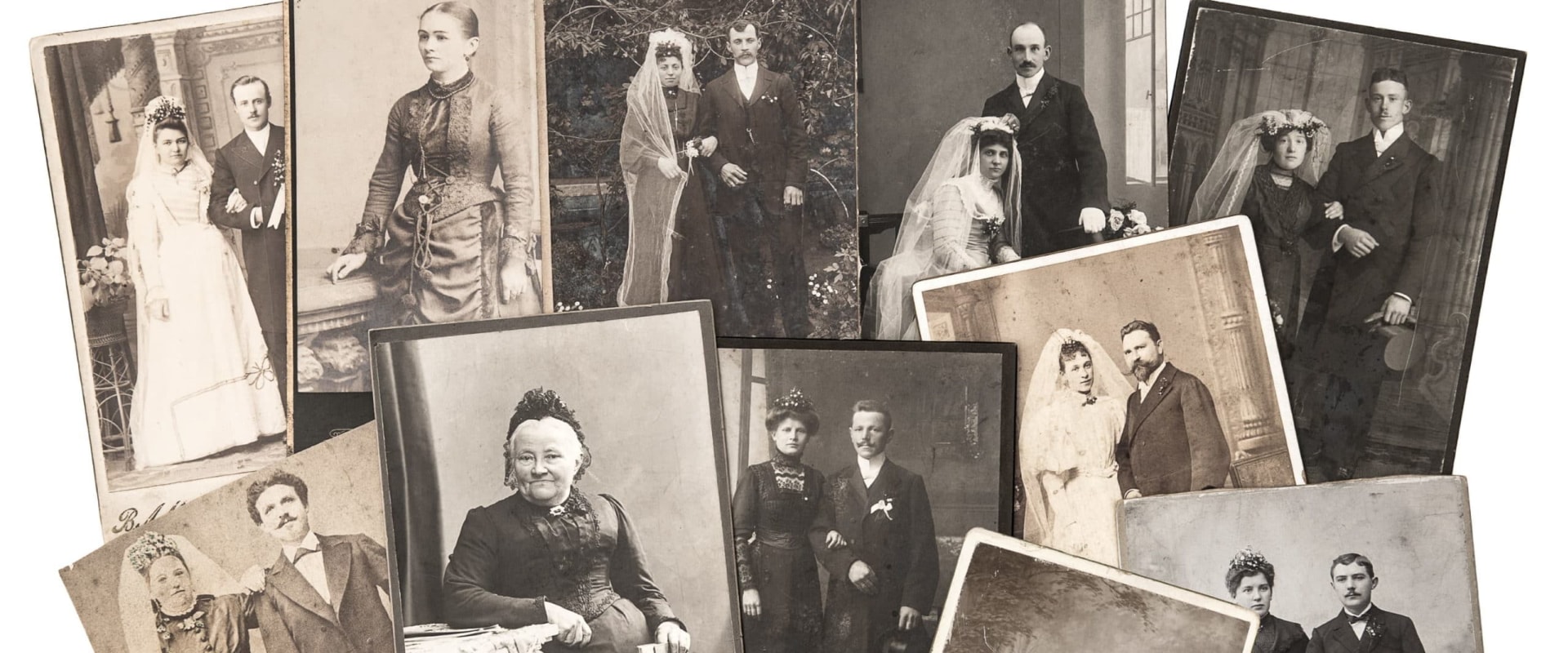
Genealogy, the study of family history and lineage, has become an increasingly popular pursuit for individuals seeking to connect with their roots. This fascinating field not only allows people to trace their ancestry but also provides a deeper understanding of their cultural heritage and personal identity. As we navigate through the complexities of modern life, many find solace in exploring the stories of their forebears, uncovering the trials and triumphs that have shaped their family narratives.The significance of genealogy extends beyond mere curiosity; it serves as a bridge linking generations and fostering a sense of belonging. By delving into the past, individuals can discover the lives of their ancestors, learning about their struggles, achievements, and the historical contexts in which they lived.
This journey into one’s family history can evoke powerful emotions, as it often reveals connections to significant historical events or cultural movements that have influenced one’s lineage.Moreover, the rise of technology has transformed genealogy research, making it more accessible than ever before. Online databases, DNA testing services, and digital archives have opened up a wealth of information that was previously difficult to obtain. As a result, more people are embarking on their own genealogical quests, eager to piece together the puzzle of their ancestry. Whether it’s through traditional record-keeping or modern genetic analysis, the tools available today empower individuals to uncover their family stories in ways that were unimaginable just a few decades ago.In this comprehensive guide, we will explore the various aspects of genealogy, from its foundational principles to advanced research techniques.
We aim to equip you with the knowledge and resources necessary to embark on your own journey into family history. By understanding the basics of genealogy and recognising its emotional and historical value, you will be better prepared to uncover the rich tapestry of your ancestry.
Understanding Genealogy: Key Concepts and Terms
Genealogy is a fascinating field that allows individuals to explore their family history and understand their roots. To navigate this intricate landscape effectively, it is essential to grasp some key concepts and terminology associated with genealogy.Lineage
refers to the direct descent from an ancestor, tracing the line of descent through generations. This concept is fundamental in genealogy as it helps researchers identify their ancestors and understand familial connections.
Lineage can be represented in various ways, including through family trees or pedigree charts.
Pedigree
is a term often used interchangeably with lineage but typically refers to a more detailed representation of ancestry. A pedigree chart outlines the relationships between individuals in a family, showcasing direct ancestors and their descendants. This visual representation can help genealogists quickly identify connections and gaps in their research.
Family Tree
is perhaps the most recognised term in genealogy. It is a diagram that illustrates the relationships among family members across generations.
Family trees can vary in complexity, from simple structures showing only immediate relatives to extensive trees that include distant ancestors and collateral lines. Creating a family tree is often one of the first steps in genealogical research, as it provides a framework for further exploration.Another important concept is genealogical records , which encompass various documents that provide information about individuals and families. These records can include birth certificates, marriage licenses, death certificates, census data, and military records. Accessing these documents is crucial for verifying lineage and constructing an accurate family tree.Additionally, understanding collateral lines —the branches of a family tree that do not follow the direct line of descent—is vital for comprehensive research.
These lines include siblings, cousins, and other relatives who may hold valuable information about family history.In summary, familiarising yourself with these essential terms—lineage, pedigree, family tree, genealogical records, and collateral lines—will significantly enhance your ability to conduct effective genealogical research. As you delve deeper into your family's past, these concepts will serve as foundational tools in uncovering your unique heritage.
Starting Your Genealogy Research: Essential Steps
Embarking on your genealogy journey can be both exciting and overwhelming. To ensure a successful start, it’s crucial to follow a structured approach that allows you to build a solid foundation for your family history research.1.Gather Information from Family Members
Your first step should be to engage with family members. Start by interviewing older relatives who may have valuable insights and stories about your ancestors.
Prepare a list of questions that cover:
- Full names of relatives
- Birth, marriage, and death dates
- Places of residence
- Occupations and significant life events
- Family traditions and stories
2.Organise Your Findings
As you collect information, it’s essential to keep it organised. Use a notebook or digital tools to record details systematically. Consider creating a spreadsheet or using genealogy software to track:
- Names and relationships
- Sources of information
- Dates and locations
3.Create a Family Tree
Once you have gathered sufficient information, begin constructing your family tree. Start with yourself and work backwards, adding parents, grandparents, and so on.
There are various online platforms available that can assist in creating a digital family tree, such as Ancestry.com or MyHeritage. These tools often provide templates that make the process easier.
4.Verify Your Information
As you compile your family tree, it’s vital to verify the accuracy of the information you’ve collected. Cross-reference details with official records such as birth certificates, marriage licenses, and census data. This not only strengthens your research but also helps in building credibility for future generations.
5.Explore Online Resources
The internet is a treasure trove of genealogical resources.
Websites like Findmypast and FamilySearch offer access to vast databases of historical records that can aid in your search. Additionally, consider joining online forums or local genealogy groups where you can share findings and seek advice from fellow researchers.By following these essential steps, you will lay a strong groundwork for your genealogy research, making the journey of uncovering your family history both rewarding and enlightening.
Utilising Online Resources for Genealogy Research
In the digital age, genealogy research has been revolutionised by the availability of online resources. These platforms not only provide access to vast collections of historical records but also offer tools that simplify the process of building and expanding your family tree. Here, we will explore some of the most popular online genealogy resources and how to make the most of them.Ancestry.com
is perhaps the most well-known genealogy website, boasting a comprehensive database that includes census records, birth and death certificates, military records, and more.
To effectively utilise Ancestry.com:
- Start with what you know: Input your own information first, including your name, birth date, and place of birth. This will help the platform generate hints and suggestions for potential relatives.
- Explore hints: Ancestry.com provides hints based on your family tree. These can lead you to relevant records or other family trees that may contain information about your ancestors.
- Utilise the search filters: When searching for specific records, use filters such as location, date range, and record type to narrow down results.
MyHeritage
is another powerful tool for genealogists, particularly for those with European ancestry. It offers unique features such as:
- Smart Matches: This feature compares your family tree with others on the platform to identify potential connections.
- DNA testing: MyHeritage provides DNA testing services that can reveal ethnic origins and connect you with distant relatives based on genetic matches.
- Photo enhancement tools: The platform includes tools to enhance old photographs, making it easier to preserve family memories.
For instance:
- Find A Grave: This site allows users to search for burial sites and create memorials for deceased relatives, providing valuable information about their lives.
- Cyndi's List: A comprehensive directory of genealogy resources available online, Cyndi's List categorises links by topic, making it easier to find specific information.
- The National Archives: Many countries have their own national archives that offer digitised records accessible online. These can include immigration records, military service documents, and more.
Exploring Offline Resources: Libraries and Archives
When delving into the intricate world of genealogy, offline resources such as libraries and archives play a pivotal role in uncovering your family history.These institutions house a wealth of information that can significantly enhance your research efforts.
Genealogy Libraries
- Many public libraries have dedicated genealogy sections, often featuring local history books, census records, and family history resources. These libraries may also provide access to subscription-based genealogy websites for free.
- Specialised genealogy libraries, like the New England Historic Genealogical Society, offer extensive collections of manuscripts, vital records, and family trees that can be invaluable for researchers.
- Consider visiting the Family History Library in Salt Lake City, which is renowned for its vast collection of genealogical records from around the world.
Archives for Genealogy
- National and state archives are treasure troves of historical documents, including military records, immigration files, and land grants. These records can provide context and details about your ancestors' lives.
- The National Archives in the UK holds a plethora of documents that can aid in tracing lineage, including birth, marriage, and death certificates.
- Local archives often contain unique collections that reflect the history of specific regions. Engaging with these resources can yield insights into your family's local connections.
Local History Centres
- Local history centres are excellent for understanding the geographical and social context of your ancestors.
They often have maps, photographs, and newspapers that can help paint a fuller picture of your family's past.
- These centres frequently host workshops and events where you can learn from experienced genealogists and connect with others who share your interests.
- Don't hesitate to reach out to staff at these centres; they can guide you to relevant resources and may even assist in your research efforts.
DNA Testing in Genealogy: What You Need to Know
In recent years, DNA testing has emerged as a revolutionary tool in the field of genealogy, providing individuals with unprecedented insights into their ancestral roots. Unlike traditional genealogical methods that rely heavily on historical records and documentation, DNA testing offers a scientific approach to uncovering family connections and ethnic backgrounds.There are primarily three types of DNA tests used in genealogy:- Autosomal DNA Tests: These tests analyse the DNA inherited from both parents and can provide information about your ancestry over the last five to six generations. They are particularly useful for finding relatives across a wide range of family branches.
- Mitochondrial DNA Tests: This type of test traces maternal lineage by examining the mitochondrial DNA passed down from mother to child.
It is beneficial for those looking to understand their direct maternal ancestry.
- Y-DNA Tests: Exclusively available for males, Y-DNA tests trace paternal lineage through the Y chromosome. This test can help identify male relatives and is often used to explore surname origins.
- Uncovering Hidden Connections: DNA testing can reveal relatives you may not have known existed, including distant cousins who share common ancestors. This can significantly expand your family tree.
- Confirming Family Stories: Many families have oral histories that may be embellished or inaccurate. DNA results can either confirm or challenge these narratives, providing a clearer picture of your heritage.
- Ethnic Ancestry Insights: Genetic ancestry testing can break down your ethnic background into percentages, offering a fascinating glimpse into the diverse regions your ancestors may have come from.
- Breaking Through Brick Walls: For genealogists facing challenges in tracing their lineage due to missing records or gaps in documentation, DNA testing can provide new leads and insights that traditional methods might miss.
Popular options include AncestryDNA, 23andMe, and MyHeritage DNA, each offering unique features and databases that can enhance your research experience.In conclusion, genetic ancestry testing is not just a modern trend; it is a powerful tool that complements traditional genealogical research. By embracing this technology, you can unlock new chapters of your family history and connect with relatives across the globe.
Connecting with Others: Genealogy Societies and Forums
Engaging with others who share your passion for genealogy can significantly enhance your research experience. Genealogy societies and online forums provide invaluable opportunities for collaboration, knowledge sharing, and support. These platforms not only connect you with fellow enthusiasts but also offer access to a wealth of resources that can aid in your quest to uncover your family history.Genealogy Societies
- Local and regional genealogy societies are often treasure troves of information.
They typically host regular meetings, workshops, and seminars where members can learn from guest speakers and share their findings.
- Many societies maintain extensive archives of local records, including birth, marriage, and death certificates, which can be crucial for your research.
- Joining a society can also provide access to exclusive databases and publications that are not available to the general public.
- Networking with experienced genealogists within these societies can lead to mentorship opportunities, helping you navigate complex research challenges.
Online Forums for Genealogy
- The internet has revolutionised the way genealogists connect. Online forums such as Genealogy.com, RootsWeb, and FamilySearch Community allow users to post queries, share tips, and discuss findings with a global audience.
- These platforms often feature dedicated sections for specific regions or ethnicities, making it easier to find others researching similar backgrounds.
- Participating in discussions can lead to discovering new resources or methodologies that you may not have considered before.
- Many forums also host virtual events or webinars, providing further learning opportunities from the comfort of your home.
Connecting with Genealogists
The collaborative nature of genealogy means that connecting with others can lead to breakthroughs in your research. By sharing your findings and experiences, you may uncover new leads or insights that could help you break through brick walls in your family tree. Whether through local societies or online forums, the relationships you build can provide both emotional support and practical assistance as you navigate the often complex world of genealogy.In conclusion, actively engaging with genealogy societies and online forums is an essential step in your journey to uncovering your family history.
The connections you make will not only enrich your research but also foster a sense of community among those who share your passion for discovering the past.
Preserving Your Family History: Documentation and Sharing
Preserving your family history is a vital aspect of genealogy that ensures your discoveries are not lost to time. Documenting your findings meticulously allows future generations to connect with their roots and understand their heritage. Here are some effective strategies for preserving and sharing your family history.Documenting Your Genealogy Findings
Begin by creating a structured system for documenting your research. This can be done through:- Family Trees: Use software or online platforms to create detailed family trees.
These visual representations help illustrate relationships and lineage clearly.
- Research Logs: Maintain a log of your research activities, including sources consulted, dates of research, and notes on findings. This will help you track your progress and avoid duplication of efforts.
- Digital Archives: Scan and digitise important documents, photographs, and records. Store them in cloud services or external hard drives to ensure they are safe from physical damage.
- Written Narratives: Write down stories or anecdotes related to your ancestors. These narratives add depth to the bare facts of genealogy and make the history more relatable.
Sharing Family History Stories
Once you have documented your findings, consider how best to share this information with family members:- Family Reunions: Organise gatherings where you can present your findings.
Sharing stories in person fosters connections and encourages others to contribute their knowledge.
- Newsletters or Blogs: Create a family newsletter or blog dedicated to genealogy. Regular updates can keep family members informed about new discoveries and encourage dialogue.
- Social Media Groups: Establish private groups on platforms like Facebook where family members can share photos, stories, and updates about their own research.
- Printed Books: Compile your research into a printed book or booklet that can be distributed among family members. This tangible record serves as a cherished keepsake.
Common Challenges in Genealogy Research and How to Overcome Them
Genealogy research can be a rewarding yet challenging endeavour.Many enthusiasts encounter various obstacles that can hinder their progress. Understanding these common challenges and knowing how to navigate them is crucial for any genealogist.
Missing Records
One of the most significant hurdles in genealogy is the absence of records. This can occur for several reasons, including natural disasters, poor record-keeping practices, or the simple fact that certain documents may never have existed. To overcome this challenge:
- Explore Alternative Sources: If vital records such as birth, marriage, or death certificates are missing, consider looking into alternative documents like church records, census data, or military service records.
These can often provide valuable information about your ancestors.
- Utilise Online Databases: Websites like Ancestry.com and FamilySearch offer extensive databases that may contain records not available in local archives. Regularly check these platforms for updates and new entries.
- Network with Other Researchers: Joining genealogy forums or local societies can connect you with others who may have encountered similar challenges. They might have insights or resources that could assist you in your search.
Conflicting Information
Another common issue is conflicting information across different sources. It’s not unusual to find discrepancies in names, dates, or places when researching family history.
To address this:
- Verify Information: Always cross-reference data from multiple sources before drawing conclusions. Look for primary sources that provide the most reliable information.
- Document Your Findings: Keep detailed notes on where you found each piece of information. This will help you track down inconsistencies and understand the context behind them.
- Be Open to New Interpretations: Sometimes, conflicting information may lead to new discoveries about your family history. Stay flexible in your thinking and be willing to adjust your family tree as new evidence comes to light.
Brick Walls
A "brick wall" in genealogy refers to a point where research seems to come to a standstill.
This can be particularly frustrating but is a common experience among genealogists. To break through these walls:
- Reassess Your Research: Take a step back and review what you have gathered so far. Sometimes, a fresh perspective can reveal overlooked details.
- Expand Your Search Area: If you’re stuck on a particular ancestor, consider researching their siblings or other relatives. They may provide clues that lead you back to your direct line.
- Consider Professional Help: If you find yourself consistently hitting dead ends, hiring a professional genealogist can provide expertise and access to resources you may not have considered.
<strong>Conclusion</strong>: The Journey of Uncovering Your Family History
As we conclude this comprehensive guide on genealogy, it is essential to reflect on the profound journey of uncovering your family history.The exploration of your ancestry is not merely an academic pursuit; it is a deeply personal voyage that connects you to your roots, revealing the stories and experiences that have shaped your family over generations.Throughout this article, we have discussed various resources and tools available for genealogical research, from libraries and archives to online platforms and DNA testing services. Each of these avenues offers unique insights into your lineage, allowing you to piece together the intricate puzzle of your family tree. Whether you are just starting or have been researching for years, the wealth of information available can be both exciting and overwhelming.Moreover, the emotional significance of discovering your family history cannot be overstated. Learning about your ancestors' struggles, triumphs, and everyday lives can foster a sense of belonging and identity.
It can also provide context for your own life experiences, helping you understand how historical events have influenced your family dynamics and cultural heritage.As you embark on your own genealogical journey, remember that patience and persistence are key. Researching your family history can sometimes lead to dead ends or unexpected revelations. However, each discovery—no matter how small—adds depth to your understanding of who you are and where you come from.In addition to personal growth, sharing your findings with family members can strengthen bonds and spark conversations that may have been long overdue. Consider organising family gatherings or creating a digital archive to share stories and photographs with relatives.
This collaborative approach not only enriches your research but also creates a shared legacy that future generations can cherish.In conclusion, the journey of uncovering your family history is one filled with discovery, connection, and reflection. As you delve into the past, embrace the stories that emerge and honour the lives of those who came before you. Your family's history is a tapestry woven with diverse threads—each one significant in its own right. So take the first step today; you never know what remarkable stories await you.